 An official website of the United States government




We launched the Biomedical Data Translator program as a multiyear, iterative effort toward the eventual development of a comprehensive and relational “data translator” that combines multiple types of existing data sources.
Building a Data Translator
Contact
As a result of recent scientific advances, a tremendous amount of data is available from biomedical research and clinical interactions with patients, health records, clinical trials and adverse event reports that could be useful for understanding health and disease and for developing and identifying treatments for diseases. Ideally, these data would be mined collectively to provide insights into the relationship between molecular and cellular processes (the targets of rational drug design) and the signs and symptoms of diseases. Currently, these very rich yet different data sources are housed in various locations, often in forms that are not compatible or interoperable with each other. All of these factors limit the ability to get more treatments to all people more quickly.
To address these problems, we launched the Biomedical Data Translator program, called “Translator” for short. This multiyear, iterative effort will culminate in the development of a comprehensive, relational, N-dimensional Biomedical Data Translator that integrates multiple types of existing data sources, including objective signs and symptoms of disease, drug effects and intervening types of biological data relevant to understanding pathophysiology.
Biomedical Data Translator News
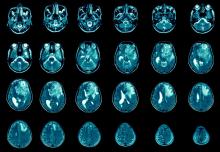
NCATS Team Creates Novel Computational Pipeline to Find New Ways to Treat Glioblastoma
March 10, 2025 - NCATS News
- Analytical Chemistry
- Biomedical Data Translator (Translator)
- Informatics (IFX)
- Our Impact on Drug Discovery and Development
- Our Impact on Rare Diseases
NCATS scientists tested a new method that could identify existing drugs effective against glioblastoma, a type of brain cancer that currently has no adequate treatments and a very low five-year survival rate.